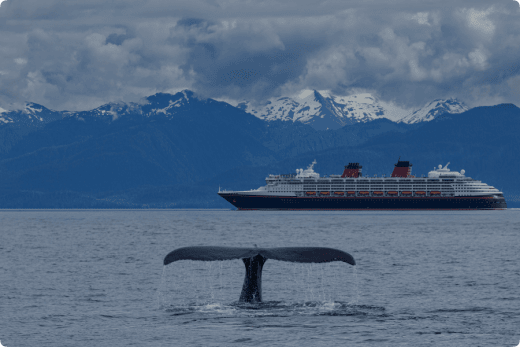
Alaska Cruise vs. Canada New England Cruise: Which to Book
Alaska Cruise vs. Canada/New England Cruise: Which to Book
Alaska cruises and Canada/New England cruises are two of North America’s most compelling itineraries, but they deliver fundamentally different experiences. Alaska is defined by raw wilderness: glacier-carved fjords, tidewater glaciers, and wildlife-rich coastal waterways that have little equivalent elsewhere in the continental United States. Canada/New England, by contrast, leans into coastal charm and historic atmosphere, with fall foliage overlooking working harbors, lobster shacks along the Maine coast, and the fortified Old Québec district rising above the St. Lawrence River. The right choice ultimately depends on what kind of traveler you are, what experiences you prioritize, and what time of year you plan to sail.
Alaska vs. Canada/New England: At a Glance
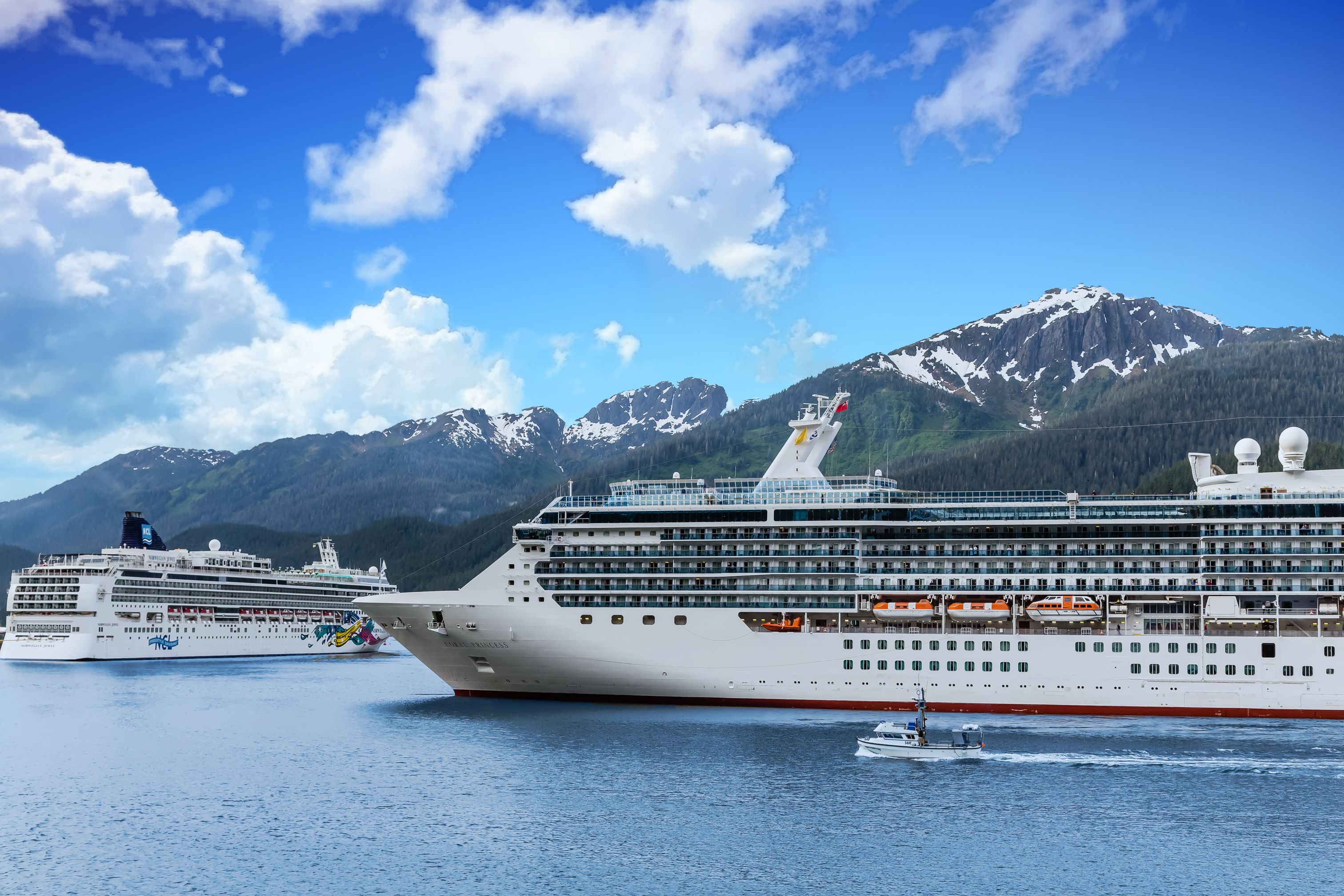
The fastest way to understand this decision is side by side. Both routes are seasonal, both skew toward nature and history over beach resort culture, and both attract a slightly older, destination-focused cruiser — but the similarities largely end there.
| Feature | Alaska Cruise | Canada/New England |
|---|---|---|
| Primary Appeal | Glaciers, fjords, wildlife | Fall foliage, historic port cities |
| Typical Season | May–September | June–October (peak foliage: late September–mid-October) |
| Itinerary Length | 7–14 nights | 7–11 nights |
| Common Embarkation Ports | Seattle, Vancouver, Whittier (Seward-area access) | New York City, Boston, Montréal, Québec City |
| Signature Ports | Juneau, Skagway, Ketchikan, Icy Strait Point, Glacier Bay (scenic cruising) | Halifax, Québec City, Saint John, Newport, Bar Harbor |
| Wildlife Spotting | Excellent (whales, bears, eagles, sea otters) | Moderate (whales, seabirds) |
| Crowd Level | Moderate to high in peak summer | Moderate during peak foliage season |
| Bucket List Factor | Very high | Moderate-high |
| Taxes, Fees, and Port Expenses | Vary by itinerary and cruise line; compare full checkout pricing rather than base fare alone | Vary by itinerary and cruise line; compare full checkout pricing rather than base fare alone |
| Best For | Adventure seekers, nature lovers, photographers | History buffs, foliage chasers, culinary travelers |
Scenery and Wildlife: A Head-to-Head Comparison
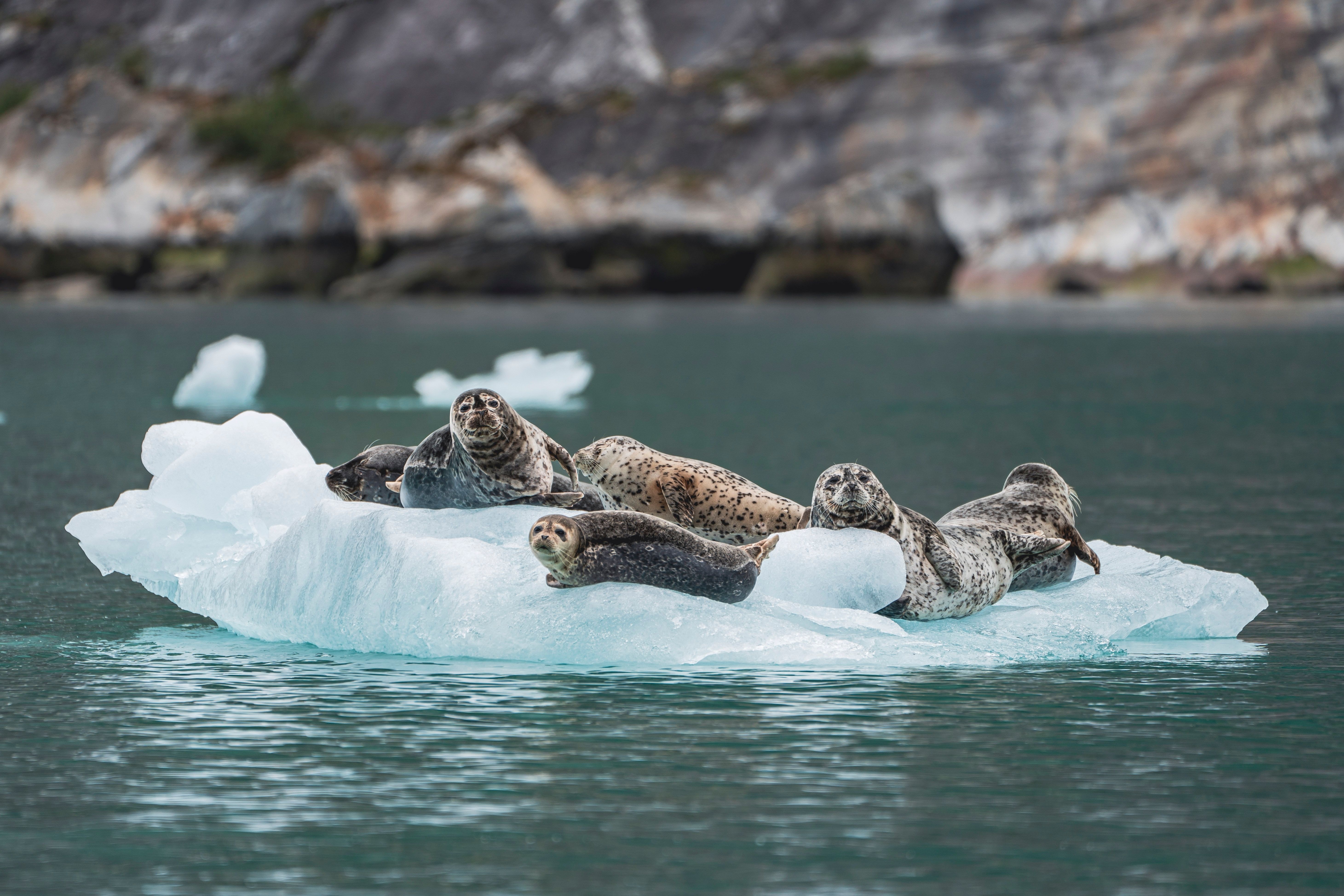
Alaska’s scenery is generally more dramatic in scale, with glacier-carved fjords, snow-capped mountains, and wildlife-rich coastal waterways that define the cruise experience. Glacier Bay National Park is part of the Kluane / Wrangell-St. Elias / Glacier Bay / Tatshenshini-Alsek UNESCO World Heritage site, a vast transboundary protected region known for its tidewater glaciers, rugged mountain landscapes, and rich marine ecosystems. Along the way, bald eagles and seabirds frequently circle overhead as glaciers calve into the sea. The Inside Passage threads through narrow channels lined with old-growth rainforest, steep mountain slopes, and waterfalls that spill directly into the water.
Wildlife viewing is also a major draw. Icy Strait Point is one of Alaska’s strongest whale-watching ports, with humpback sightings especially common during peak season. Near Ketchikan, travelers can book dedicated bear-viewing excursions during salmon runs, though sightings are not something cruisers should expect casually from the ship.
Canada/New England’s scenery is more cultivated than wild. The coastline of Maine is dotted with lighthouses and lobster buoys, while Halifax’s harbor blends maritime history with historic waterfront architecture. Québec City’s Upper Town — accessible by funicular from the waterfront — feels distinctly European, with fortified walls, stone buildings, and steep streets overlooking the St. Lawrence River. Fall foliage along the St. Lawrence corridor in late September and early October can be genuinely stunning, though peak color varies by region, elevation, and weather conditions.
Pro Tip: On one-way Alaska sailings, starboard cabins on northbound routes and port-side cabins on southbound routes may offer more mainland-facing views through parts of the Inside Passage. On round-trip Seattle itineraries, however, scenery is visible from both sides of the ship, and glacier-viewing days matter more than cabin side.
For travelers prioritizing dramatic scenery and wildlife density, Alaska generally has the edge. For those drawn to historic cities, coastal culture, and fall foliage, Canada/New England offers a very different kind of scenic appeal.
Best Cruise Lines for Each Destination
Top Lines for Alaska
Alaska rewards cruise lines that treat the destination as the main attraction — with glacier-viewing decks, naturalist programming, and itineraries that prioritize scenic cruising time over sea days.
- Princess Cruises operates more Alaska departures than almost any other line and has decades of experience in the region. Their ships include dedicated "Discovery at SEA" naturalist programming. Princess Cruises Alaska 2026 is a strong starting point for itinerary research.
- Holland America Line is widely regarded as one of the strongest traditional Alaska operators, with ships like the Koningsdam and Nieuw Amsterdam offering excellent verandah coverage and expert naturalist guides. Their cruisetour packages combining Denali with a sea voyage are particularly well-regarded.
- Norwegian Cruise Line deploys ships such as the Norwegian Bliss and Norwegian Encore to Alaska, pairing large-ship amenities with scenic cruising features. Norwegian Bliss is especially well-suited to Alaska thanks to its large Observation Lounge with panoramic views, while Norwegian Encore also offers expansive indoor viewing spaces on Alaska itineraries. Our Norwegian Bliss Alaska cruise review covers the ship's standout features in detail.
- Viking Ocean offers a quieter, destination-focused small-ship ocean cruise experience in Alaska, with all-veranda ships and one-way Inside Passage itineraries between Vancouver and Seward. See our full Viking Ocean Alaska cruises guide for ship-by-ship details.
For a comprehensive comparison of all the major operators, our guide to the best cruise lines to Alaska breaks down the full field.
Top Lines for Canada/New England
Canada/New England itineraries are dominated by a handful of lines that understand the destination's appeal to culture-focused, historically curious travelers.
- Cunard Line deploys the Queen Mary 2 on transatlantic crossings that often terminate in New York, with Canada/New England legs that feel genuinely special aboard a classic ocean liner.
- Holland America runs strong Canada/New England itineraries from Boston and New York, often pairing with their Alaska season as a repositioning opportunity.
- Celebrity Cruises offers polished premium itineraries from Boston and New York on ships like the Celebrity Summit, which is well-suited to the destination's upscale port towns.
- American Cruise Lines operates small-ship itineraries (under 200 passengers) that reach ports larger ships cannot — including smaller Maine harbors like Rockland and Castine.
For a deep dive into the best options, our Best New England and Canada cruises guide covers current itineraries across all major lines.
Itinerary Length and Key Ports
Alaska Itineraries
Standard Alaska cruises run 7 nights, but 10–14 night options exist for travelers who want to extend into cruisetour territory (combining a sea voyage with overland time in Denali National Park). The most common 7-night Inside Passage itinerary covers:
- Juneau — Alaska's capital, accessible only by sea or air; home to the Mendenhall Glacier and whale-watching in the waters of Stephens Passage
- Skagway — Gold Rush-era town; the White Pass & Yukon Route railway is one of the most scenic excursions in North America
- Ketchikan — known for salmon, Creek Street, and major Indigenous cultural sites including Totem Bight State Historical Park and the Totem Heritage Center, which preserves original 19th-century totem poles
- Glacier Bay or Hubbard Glacier — Scenic cruising day; no port call, but the highlight of many sailings
- Icy Strait Point — A community-owned port known for strong whale-watching opportunities and zip-line excursions
Our detailed Alaska cruise excursions by port guide covers the best activities at each stop.
Canada/New England Itineraries
Seven to eleven nights is the standard range. Round-trip itineraries operate from New York City or Boston; open-jaw sailings run between either city and Montréal or Québec City. A typical 10-night itinerary includes:
- Bar Harbor, Maine — Acadia National Park access; whale watching; lobster rolls on the pier
- Halifax, Nova Scotia — Citadel Hill, the Maritime Museum of the Atlantic, Peggy's Cove day trips
- Saint John, New Brunswick — Bay of Fundy, the world's highest tides; reversing falls
- Charlottetown, Prince Edward Island — Anne of Green Gables country; exceptional seafood
- Québec City — Walled city, Château Frontenac, Plains of Abraham; the most European city in North America
Pro Tip: On Canada/New England itineraries, the northbound routing (New York to Montréal/Québec City) tends to catch peak foliage timing better than southbound sailings, which often run a week or two too early for full color saturation.
Cost and Value Comparison

Alaska cruises and Canada/New England cruises occupy a similar price tier — both are considered premium North American itineraries that command higher per-night fares than Caribbean sailings of equivalent length.
| Cost Factor | Alaska | Canada/New England |
|---|---|---|
| Entry-Level Inside Cabin (7 nights) | Entry fares vary widely by cruise line, sailing date, and promotion | Entry fares vary widely by cruise line, sailing date, and promotion |
| Balcony Premium | Higher — balcony cabins are especially popular for glacier and scenic cruising views | Moderate — balcony cabins can be worthwhile during foliage season and scenic river approaches |
| Shore Excursion Budget | Typically higher, especially for helicopter tours, flightseeing, whale watching, and glacier excursions | Generally moderate, with costs centered on walking tours, whale watching, and culinary or cultural excursions |
| Embarkation Costs | Often higher for East Coast travelers due to longer flights to Seattle or Vancouver | Lower for many Northeast travelers who can drive to embarkation ports like Boston or New York |
| Taxes, Fees, and Port Expenses | Vary by itinerary and cruise line | Vary by itinerary and cruise line |
| Overall Trip Cost | Often higher once airfare and premium excursions are included | Often lower for East Coast travelers, though small-ship itineraries can cost substantially more |
Alaska's excursion costs deserve special attention. Helicopter glacier landings, floatplane flightseeing, and whale-watching charters can add $300–$600 per person per port if you're not selective. Our guide to Alaska cruise shore excursions by budget helps prioritize spending.
For East Coast residents, Canada/New England cruises offer a significant logistical and cost advantage: you can drive to Boston or New York, eliminating cross-country airfare entirely.
Pro Tip: Book Alaska cruises 9–12 months in advance for the best cabin selection and pricing. Canada/New England sailings — especially October foliage peak — sell out faster than most travelers expect. Our Alaska cruise booking window guide covers the optimal timing in detail.
Best Time to Sail Each Destination
Alaska: May Through September
Mainstream Alaska cruise season generally runs May through September, with most major-line itineraries concentrated in that window. Within the season, conditions and pricing shift meaningfully month to month:
- May: Fewer crowds, lower fares, snow still on mountain peaks, excellent wildlife activity
- June–July: Peak cruise season, with warm temperatures, long daylight hours, and strong humpback feeding activity in Southeast Alaska
- August: Strong wildlife viewing; shoulder pricing begins to emerge late in the month
- September: Dramatically reduced crowds, early autumn color on lower slopes, best value fares of the season
For travelers hoping to see the northern lights, late-season sailings in September offer the best chance during the mainstream Alaska cruise season, though sightings are never guaranteed. Our full breakdown of when to take an Alaska cruise for northern lights covers what to realistically expect.
The comprehensive best time of year for an Alaska cruise guide covers all seasonal trade-offs in detail.
Canada/New England: June Through October (Best in Fall)
The season is compressed and foliage-driven. Key timing considerations:
- Late August–early September: Warmer temperatures, coastal Maine at its best, and early hints of color in northern regions, though peak foliage has usually not yet arrived
- Late September: Peak color often begins emerging in northern Québec and New Brunswick, making this a strong window for northbound open-jaw itineraries
- Early-to-mid October: Foliage typically peaks farther south across coastal Maine and southern New England, though timing varies by region, elevation, and annual weather patterns
The best time for a Canada and New England cruise article covers the foliage timing question in granular detail, including how to read the northbound vs. southbound routing against the leaf-peeping calendar.
Who Should Book an Alaska Cruise
Alaska is the right choice if any of the following apply:
- Wildlife and wilderness are your primary motivation. Few mainstream cruise itineraries combine wildlife density and dramatic natural scenery as consistently as Alaska.
- You want a genuine bucket-list experience. Experienced cruisers consistently rank Alaska among their favorite cruise destinations worldwide.
- You're traveling from the West Coast. Seattle and Vancouver embarkation ports eliminate the transcontinental flight that makes Alaska expensive for East Coasters.
- You have children or teenagers who need active engagement. Kayaking, whale watching, zip-lining, and flightseeing keep active families fully occupied. Our guide to best Alaska cruise excursions covers family-friendly options at each port.
- You want to extend into a land tour. Alaska's cruisetour options — combining Denali, Fairbanks, and the Kenai Peninsula with a sea voyage — are unique to this destination.
- You're a photographer. The light in Alaska, especially on long summer evenings, is extraordinary. Calving glaciers, breaching humpbacks, and bald eagles in old-growth forest are the kind of shots that define a travel portfolio.
For couples specifically, our best Alaska cruises for couples guide covers the most romantic itineraries and ship pairings.
Who Should Book a Canada/New England Cruise
Canada/New England makes more sense if:
- You live on the East Coast. Drive-to embarkation from Boston or New York eliminates airfare entirely, making this a substantially more affordable itinerary for Northeast residents.
- Fall foliage is your primary draw. If you've always wanted to see New England's autumn color from the water — and you're willing to time your sailing precisely — this itinerary delivers something Alaska cannot.
- History and culture matter as much as scenery. Quebec City's fortified walls, Halifax's citadel, and Boston's Freedom Trail are substantive cultural destinations. Alaska’s ports tend to emphasize wilderness, Indigenous culture, and Gold Rush heritage more than dense urban history.
- You prefer a more relaxed pace. Canada/New England ports are walkable, the excursions are gentler, and the overall experience is less physically demanding than Alaska's adventure-focused offerings.
- You're a food traveler. Lobster in Maine, Digby scallops in Nova Scotia, poutine in Quebec, and PEI mussels by the bucket — this itinerary is a serious culinary tour of North America's finest seafood corridor.
- You want a shorter, more affordable trip. Without the cross-country airfare and high-ticket excursions, a Canada/New England sailing can be significantly less expensive in total trip cost.
Pro Tip: If you're booking Canada/New England primarily for foliage, prioritize itineraries that spend at least two nights in Québec City or that include a Saint John and Charlottetown pairing — these Canadian ports offer the most reliable autumn color in the region.
Final Verdict
Alaska is often the more transformative cruise experience for travelers prioritizing scenery and wildlife. Many experienced cruisers describe it as one of the most memorable itineraries they’ve ever taken, thanks to its combination of glacier cruising, dramatic landscapes, and abundant marine wildlife. If you can only do one of these itineraries in your lifetime and are seeking a classic bucket-list sailing, Alaska generally has the edge.
Canada/New England is not a consolation prize. It's a genuinely excellent itinerary that outperforms Alaska on accessibility, cost (especially for East Coasters), cultural depth, and culinary richness. For the right traveler — someone who wants to walk cobblestoned streets, eat lobster by the water, and watch the maple canopy turn from a ship deck — it's the better fit.
The honest tiebreaker: if you live east of the Mississippi and have never been to Québec City, book Canada/New England first. If you've done the Caribbean multiple times and want your first genuinely bucket-list cruise experience, book Alaska.
Key Takeaways
- Alaska offers the more dramatic, wildlife-rich experience — glacier cruising, humpback whales, and fjord scenery with little equivalent on the East Coast.
- Canada/New England wins on accessibility and value for East Coast travelers, with drive-to embarkation from Boston or New York and lower total trip costs.
- Timing is critical for Canada/New England — peak foliage occupies a narrow 2–3 week window in late September to early October, and northbound sailings tend to catch it better.
- Alaska's excursion costs add up fast — budget an additional $300–$800 per person for helicopter, flightseeing, and wildlife experiences that define the destination.
- Both itineraries sell out early — especially Alaska in June–July and Canada/New England in October. Book 9–12 months in advance for best availability.
Frequently Asked Questions
Q: Is Alaska or Canada/New England better for first-time cruisers?
Both are excellent for first-timers, but Canada/New England is arguably easier to navigate — shorter flight (or no flight) from the East Coast, gentler excursion options, and walkable port cities. Alaska is more logistically complex but delivers a more memorable first experience for travelers willing to plan ahead. Our best cruises for first timers guide covers both destinations in the context of overall first-timer advice.
Q: Can you do both Alaska and Canada/New England in the same year?
Yes, and many dedicated cruisers do exactly this. Alaska runs May through September; Canada/New England peaks in September and October. A late-summer Alaska sailing followed by an October Canada/New England cruise is a logical pairing that covers both seasons without overlap.
Q: Which itinerary is better for seniors?
Canada/New England is generally more senior-friendly — shorter flights or drive-to embarkation, less physically demanding excursions, and walkable ports. Alaska is accessible for active seniors, but the most compelling experiences (glacier hikes, kayaking, helicopter tours) require reasonable mobility. Our best cruises for seniors guide covers both destinations with mobility considerations in mind.
Q: What's the weather like on each itinerary?
Alaska cruise season temperatures range from the high 40s°F in May and September to the mid-60s°F in peak summer — always pack layers and waterproof outerwear. Canada/New England in September and October runs from the low 50s to mid-60s°F, with cool evenings and the possibility of rain. Neither itinerary is a warm-weather cruise. Our Alaska cruise packing list covers gear recommendations in detail.
Q: Which destination has better whale watching?
Alaska is significantly better for whale watching. Icy Strait Point and Stephens Passage near Juneau are among the most productive humpback whale habitats in the world, with consistently strong humpback sightings during peak season. Canada/New England offers whale watching near Bar Harbor and in the Bay of Fundy, which is legitimate but less reliable and less dramatic than Alaska's encounters.
Q: Are Canada/New England cruises only available in fall?
Primarily, yes — especially among the major cruise lines, which concentrate most Canada/New England itineraries in September and October to align with fall foliage season. However, the region is not exclusively a fall cruise destination. Some operators, particularly small-ship lines like American Cruise Lines, also offer spring and summer departures in June, July, and August. For travelers specifically chasing peak foliage, late September through mid-October remains the prime sailing window.
Fast Facts
- Best For: Alaska — wildlife photographers, adventure seekers, West Coast travelers, bucket-list cruisers; Canada/New England — East Coast residents, foliage chasers, history and culinary travelers, seniors
- Price Range: Fares vary widely by cruise line, sailing date, and cabin category. Mainstream Alaska and Canada/New England cruises are often comparable on a per-night basis, though Alaska excursions can significantly increase total trip cost and small-ship New England sailings may cost substantially more.
- Best Time to Book: 9–12 months in advance for both; peak July Alaska sailings and peak foliage-season Canada/New England departures tend to sell out fastest
- Alaska Season: May–September
- Canada/New England Season: June–October (peak foliage: late September–mid-October)
- Top Alaska Pick: Holland America Line or Princess Cruises for itinerary depth; Norwegian Bliss or Norwegian Encore for large-ship amenities and scenic viewing spaces
- Top Canada/New England Pick: Celebrity Cruises or Holland America Line for premium itineraries; American Cruise Lines for small-ship access to lesser-known ports
- Signature Experience: Alaska — scenic glacier cruising in Glacier Bay National Park; Canada/New England — fall foliage from the deck approaching Québec City
- Related Reading: Best Alaska cruise itinerary | Best New England and Canada cruises | Princess Cruises vs. Holland America